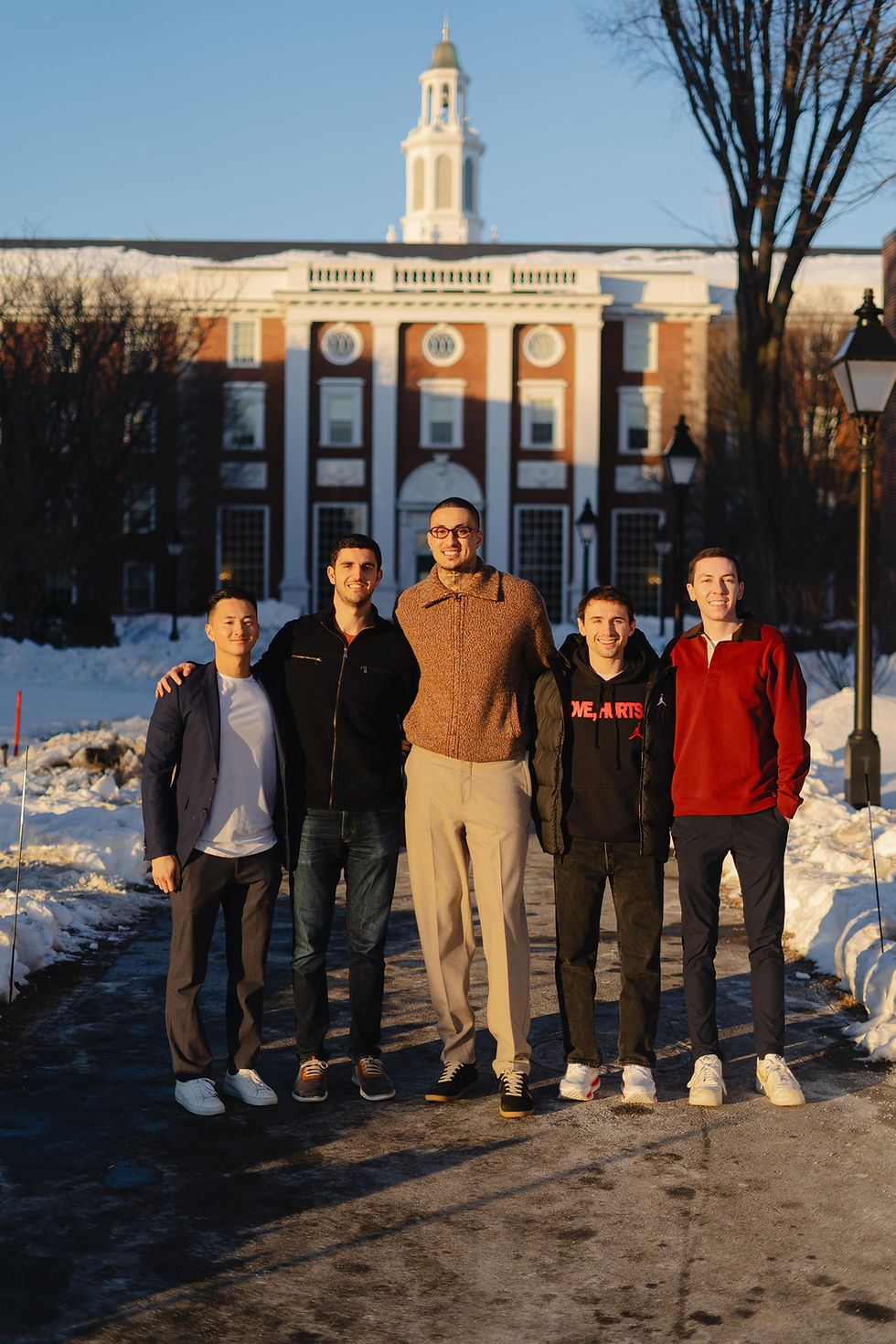
Gettin’ to It: Reactions to the 2026 Business of Entertainment, Media and Sports Conference at HBS


Yesterday, the HBS Business of Sports Club and the Entertainment and Media Club hosted its annual conference. Titled Built to Last, this event delivered engaging programming designed to facilitate informative and interactive conversations which bridge students to the companies and individuals responsible for not only establishing but also disrupting the industry.
The connective thread woven through the conference was the interrelated themes of durability and longevity: through these conversations, we explored how decisions of the present impact the future. Within sports, our organization focused the panels on four intellectually challenging puzzles:
1) Expanding engagement in F1,
2) Charting a path through the shifting landscapes in college athletics,
3) Framing the industry into attractive investment opportunities, and
4) Building an edge in athlete representation
Dynamic in nature, each conversation danced through a host of interrelated subjects, questions, and contemporary headlines. Time is required to fully digest the wealth of knowledge shared by our moderators, panelists, and keynote speakers, but I wanted to share a few ruminations I’ve been grappling with (and will continue to reflect on).
1. Fan engagement is strategic infrastructure.
Inviting fans to participate in the journey of a team and a league is a powerful route to sustaining engagement, retaining loyalty, capturing consumer wallet share, and building commercial viability. Thoughtful fan engagement strategies set by sports properties and associated brand partners endeavor to simultaneously reduce the barriers to fandom and provide desirable offerings for the consumption of, and the interaction by, various segments of the fanbase. Engaging collaborators (e.g., public personalities and influencers) catalyzes critical knowledge transfer that drives access and supports the end-to-end fan experience: for example, 360° programming (i.e., content provided before, during, and after live events) can impart complex, technical information in accessible ways, thereby reducing the knowledge requirement to be a fan. Some ideas (applicable across sports properties) in motion:
Commit to Entertainment. Leverage trailers, recaps, and other “refresh tools” to highlight storylines from the prior season and set the stage for the upcoming one
Regulation and Technical Insights. Explain relevant rule changes, newly adopted technologies, and engineering decisions. Showcase what’s new on the court, field, track etc.
Insider POV. Utilize interviews and BTS content from key personnel to capture authentic sentiments and drive the human element of sports
2. A new economic architecture shapes college sports.
As NIL and revenue sharing fundamentally alter the relationships between athletes, institutions, and corporate partners, commercialization has become an entrenched component core to the system. Finding ways to better leverage assets at both the team and conference levels can help participants appeal to private capital, philanthropy, and other involved stakeholders to fuel the commercial project that is college sports. In addition to the (potentially lucrative) compensation of players, the world of college sports is tackling decisions around eligibility, collective bargaining, and more. Competing interests further complicate the picture, and coordinated communication is required to make inroads across consistency, enforceability, and “consensus” alignment.
3. Youth sports signal future value.
A substantial share of annual household income is directed towards youth sports: pockets of expenses include equipment, transportation and hospitality for travel teams, tournaments, prospect camps, and concessions. As financial burdens increase and the level of competition rises, athletes may specialize earlier in their careers; families, however, no longer face a severe logical leap to invest through and beyond the athlete journey: investing in support of athlete development or as a fan brings more capital into the ecosystem and helps fuel emerging leagues. This bridge is particularly relevant in women’s sports where properties like LOVB, which thoughtfully developed the infrastructure for a junior-to-professional pipeline, demonstrate ways to build for the future. As new pathways to being a professional athlete open, participation in youth sports may provide an indication of attractive investment opportunities.

4. Authenticity and advocacy are assets.
Within the landscape of athlete representation, knowing your unique customer value proposition is critical. Defining (and behaving in accordance with) your differentiating edge builds credibility and trust. Agents should place a premium on authenticity: helping athletes (at all levels) to understand, negotiate, and navigate trajectories in their career is a highly personal process; therefore, agents who bring genuine care and concern for the wellbeing of their clients have the capacity to provide an essential service which defends the rights and needs of athletes and helps preserve the integrity of sports.